Artist Spotlight & Soundscapes
Exploring fusion genres and indie production
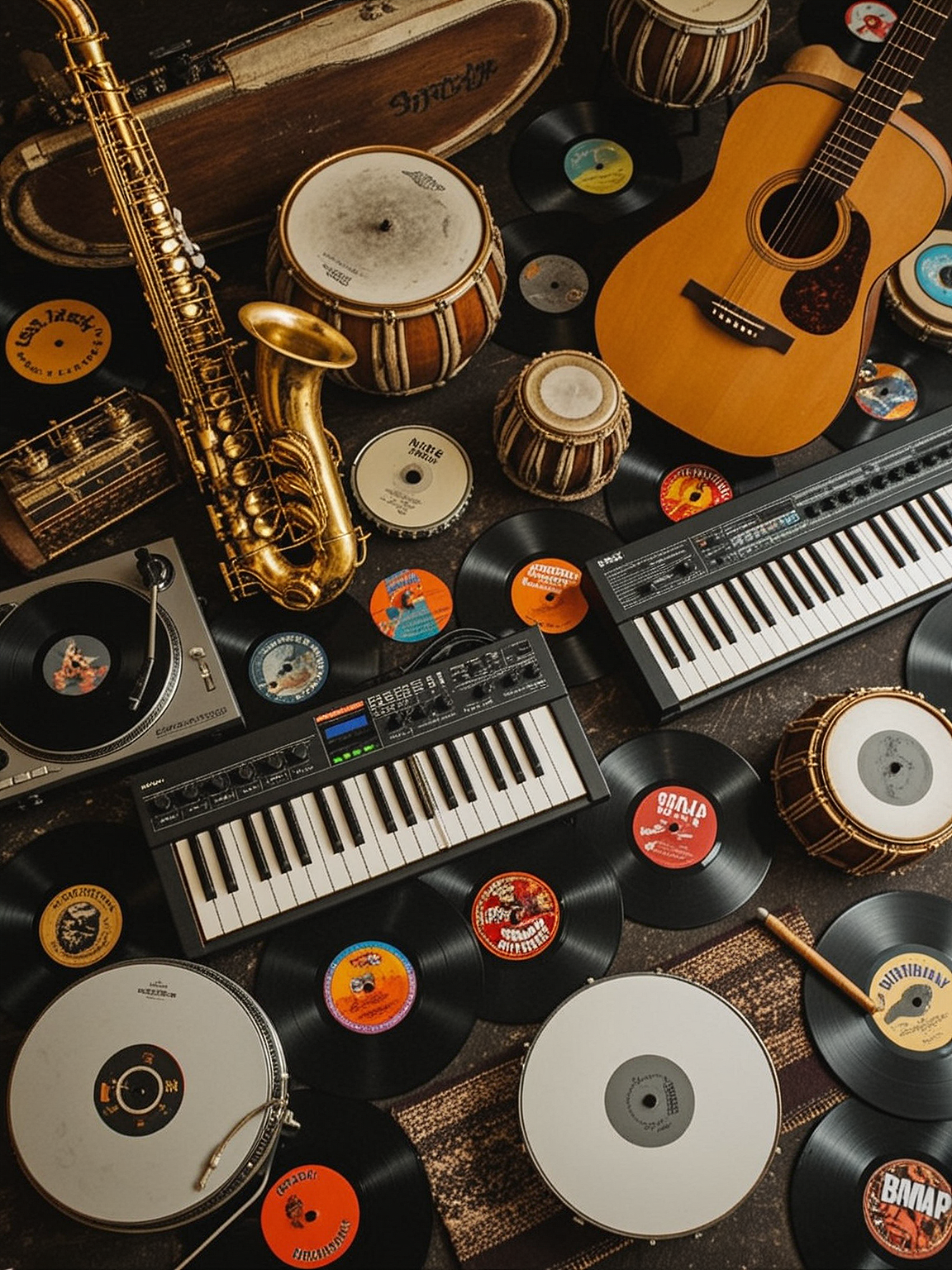
The New Fusion—When Genres Lose Their Borders
The Insight: Music beyond categorization
The most exciting music happening right now refuses categorization. Artists are increasingly treating genre not as a container but as a palette—pulling from jazz, electronic, folk, R&B, classical, and global traditions to create something that didn’t exist before. This isn’t novelty for novelty’s sake; it’s the natural evolution of a streaming ecosystem where listeners move seamlessly between playlists and algorithms expose us to sounds our local radio stations never would.
- The Production Revolution: Affordable home recording equipment and software like Ableton, Logic, and FL Studio have democratized production. Artists no longer need major label budgets to create polished, complex work. A bedroom producer in Oslo can collaborate with a vocalist in Lagos, a string arranger in Tokyo, and a mixing engineer in Los Angeles—all without meeting in person. The result is music that reflects global influence rather than regional scene.
- The Jazz Renaissance: Jazz, once declared dead by cultural critics, is experiencing its most vibrant period in decades. But it’s not your grandparents’ jazz. Artists like Kamasi Washington, Esperanza Spalding, and Thundercat are merging jazz improvisation with hip-hop rhythms, electronic textures, and indie rock song structures. The result respects tradition while refusing to be imprisoned by it.
- Global Fusion: The “world music” category—always problematic, always reductive—has given way to something more organic. Artists like Khruangbin (Thai funk meets Texas psychedelia), Altın Gün (Turkish psychedelic rock), and Mdou Moctar (Tuareg guitar rock) aren’t “borrowing” from other cultures; they’re creating new languages entirely.
Artist Spotlight—Four Voices Shaping the Sound
The Insight: Visionaries redefining modern arrangement
FKA Twigs
The British polymath operates at the intersection of R&B, avant-garde electronic, classical composition, and performance art. Her production—often handled in collaboration with artists like Arca and Nicolas Jaar—creates spaces that feel architectural, cavernous, intimate. She’s not making songs; she’s making environments.
Essential listening: “Cellophane,” “Sad Day”Big Thief
Brooklyn-based but spiritually nomadic, Big Thief—fronted by Adrianne Lenker—merges indie rock, folk, and something harder to name. Their production, often handled by drummer James Krivchenia, is deliberately raw, capturing the sound of a band in a room even when the arrangements get complex. It’s music that breathes.
Essential listening: “Not,” “Simulation Swarm”Yves Tumor
Sean Bowie, performing as Yves Tumor, creates music that shouldn’t work—glam rock, noise, ambient, soul, punk, electronic—all occupying the same space. The production is dense, layered, sometimes overwhelming. It’s music that demands attention, that refuses background listening.
Essential listening: “Gospel for a New Century,” “Kerosene!”Arooj Aftab
The Pakistani composer and vocalist blends Sufi poetry, jazz, and electronic production into something timeless and contemporary simultaneously. Her production is spacious, letting silence do as much work as sound. It’s music for late nights and heavy hearts.
Essential listening: “Mohabbat,” “Baghon Main”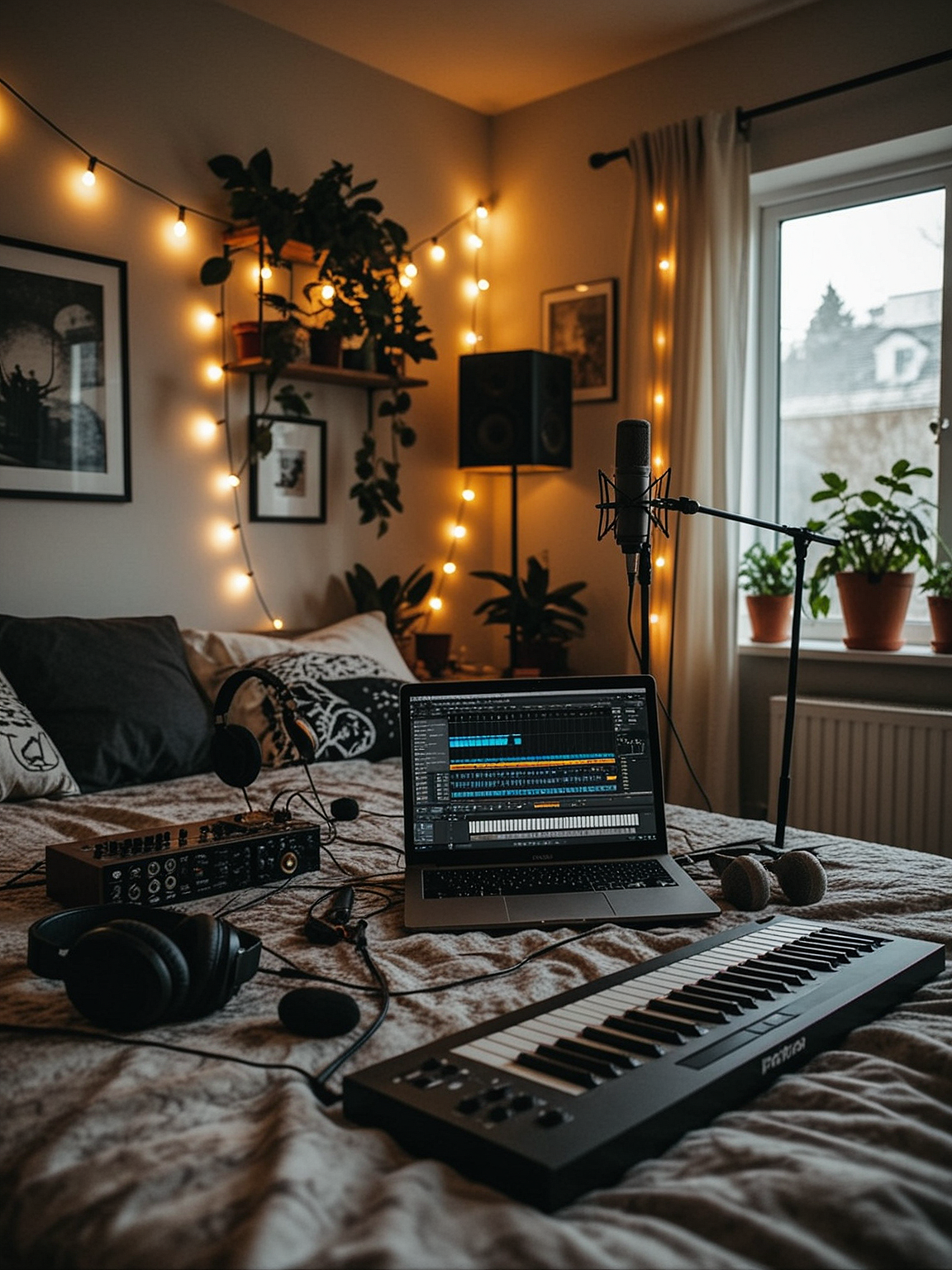
The Production Techniques—How Indie Artists Create Big Sounds
The Insight: Engineering mood and depth
- The Lo-Fi Aesthetic as Choice: Artists like Alex G, Lomelda, and Phil Elverum (Mount Eerie) deliberately embrace imperfection—tape hiss, room tone, vocal cracks. This isn’t failure; it’s intimacy. The production creates the sensation of being in the room with the artist, removing the barrier between performer and listener.
- Sampling as Composition: Producers like The Books, J Dilla, and more recently, Knxwledge and Earl Sweatshirt, treat sampling not as theft but as collage. Found sounds, obscure vinyl, field recordings—all become raw material for new compositions. The production is as much curation as creation.
- Modular Synthesis: Artists like Kaitlyn Aurelia Smith and Suzanne Ciani use modular synthesizers—complex systems of oscillators, filters, and sequencers—to create organic, evolving soundscapes. The production is alive, unpredictable, human despite being electronic.
- The Vocal as Instrument: Artists like Julianna Barwick, Holly Herndon, and Sam Amidon treat the voice not as a vehicle for lyrics but as a sound source—looping, processing, distorting, layering. Words become texture; meaning becomes secondary to feeling.
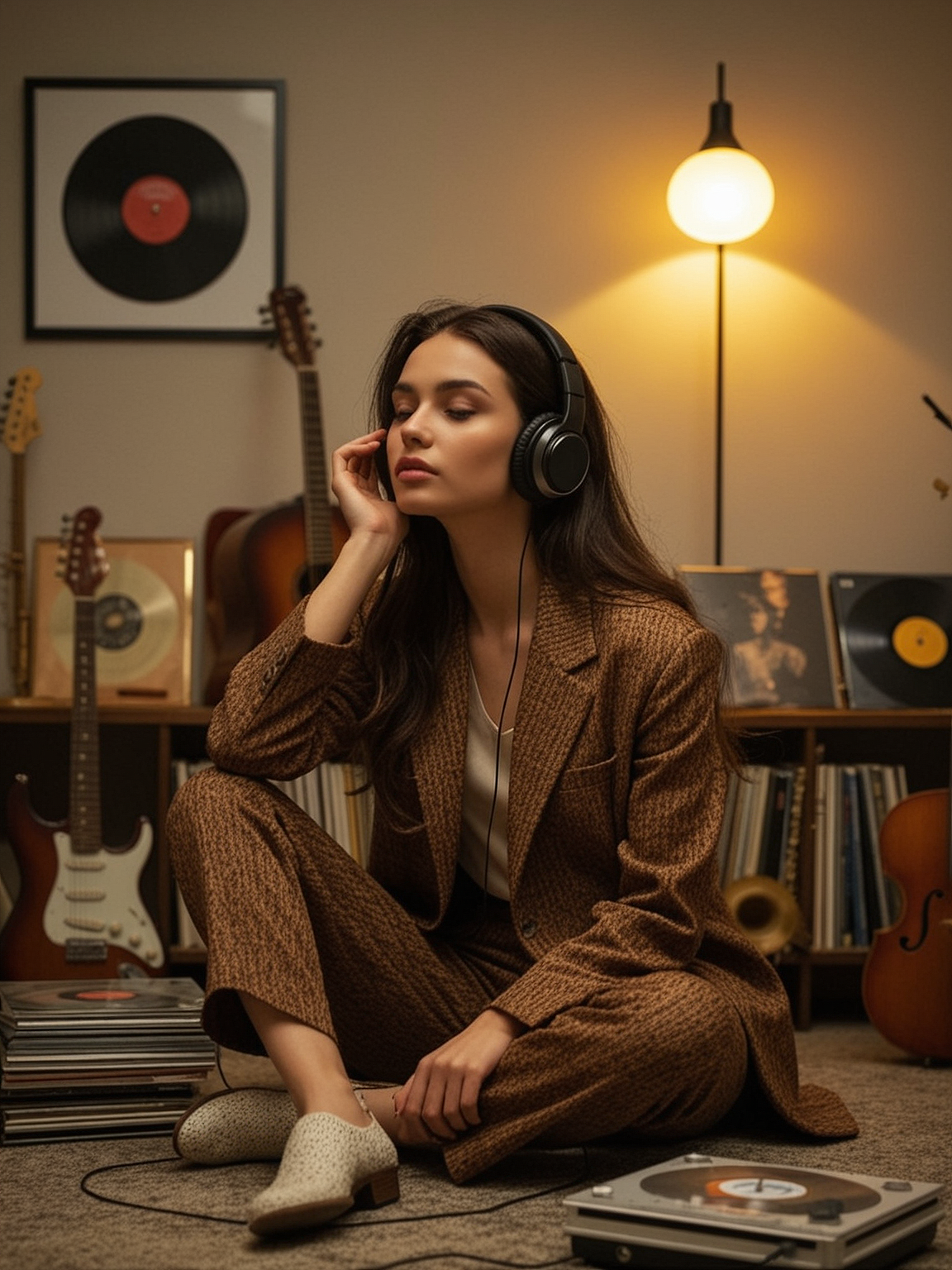
The Listening Context—How to Hear Fusion
The Insight: Cultivating intentional auditory focus
- The Active Listening Session: Fusion music demands attention. Set aside time—30 minutes, an hour—without multitasking. Use quality headphones or speakers. Follow the bass line, the drum pattern, the way instruments enter and exit. Notice when expectations are subverted.
- The Genre Education: Understanding fusion requires knowing what’s being fused. If you love Khruangbin, explore Thai funk from the 1960s-70s. If you’re drawn to Arooj Aftab, investigate Qawwali and Ghazal traditions. The fusion becomes richer when you understand its components.
- The Live Experience: Fusion music often translates most powerfully live, where improvisation can stretch songs into new shapes. Seek out small venues—clubs, art spaces, house concerts—where the boundary between performer and audience dissolves.
- The Playlist as Curation: Create your own fusion playlists. Place songs in conversation. What happens when you follow jazz with ambient? When electronic meets folk? The connections you discover become your own personal fusion.
Editorial Conclusion
Fusion isn’t confusion—it’s evolution. The artists profiled here aren’t being difficult or obscure; they’re being honest. Music doesn’t exist in neat categories. It bleeds, it blends, it refuses containment. The best production doesn’t polish away the rough edges; it highlights them. Listen widely. Listen deeply. The borders were always imaginary.

