Creative Visionaries to Watch
In an era of institutional fatigue, vital creative work is emerging from the edges, where artists like Connor McKnight, Amoako Boafo, Raven Leilani, and Emily Adams Bode Aujla are bypassing traditional gatekeepers. These four visionaries are leveraging their positions to drive change at industry inflection points, proving that rising talent is not unformed but, rather, reshaping the very definition of success.
PAGE 1: CONNOR MCKNIGHT — Redefining American Sportswear
The Story
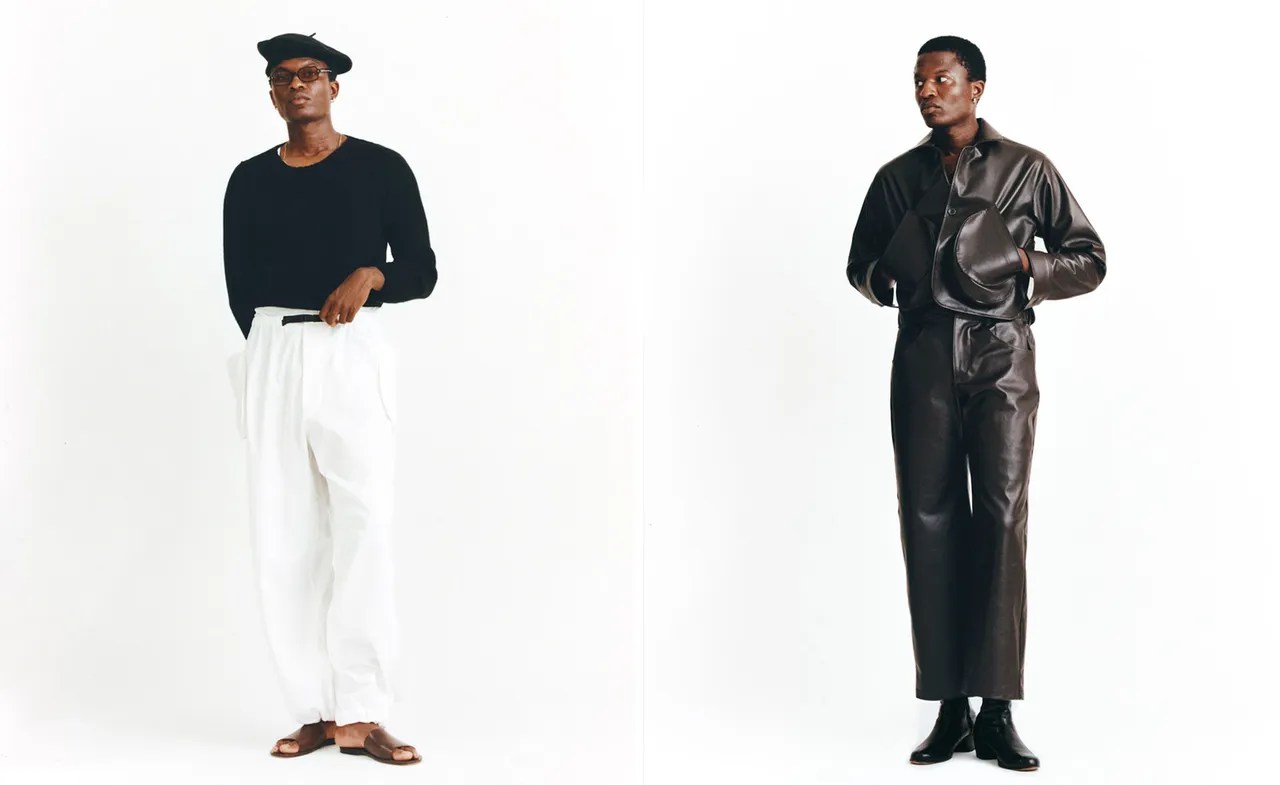
Connor McKnight launched his eponymous label in 2020 after working as a designer at Bode (not Noah and Aimé Leon Dore). The Brooklyn-based designer creates what he calls “elevated everyday wear”—clothing that acknowledges both the Black diaspora’s sartorial history and contemporary streetwear’s global influence.
The Work
McKnight’s collections feature relaxed tailoring, hand-dyed fabrics, and silhouettes that reference vintage Black style without descending into costume. His independent runway shows during New York Fashion Week have featured presentations at venues such as the Brooklyn Museum.
The Philosophy
“I’m thinking about what my father wore, what my grandfather wore,” McKnight told GQ in 2021. “There’s a dignity in that clothing that I want to honor, but also evolve.” His designs feature hidden details, fabrics that age rather than deteriorate, and construction that accommodates actual movement.
Why Now
As fashion interrogates its relationship to race, labor, and sustainability, McKnight offers a model that doesn’t compromise. His clothes are manufactured locally in New York’s Garment District with fair labor practices. His aesthetic refuses the industry’s pressure to either perform Blackness or assimilate into whiteness. He’s creating a third space—elegant, political, wearable.
The Next
Continued expansion of his collections, growing stockist partnerships, and ongoing pressure on an industry to support independent Black designers.
PAGE 2: AMOAKO BOAFO — The Gaze Reclaimed
The Story
Amoako Boafo (born 1984) studied in Accra, Ghana, and at the Academy of Fine Arts in Vienna. He was selling work locally before painter Kehinde Wiley discovered his work on Instagram and alerted prominent galleries. Within a short period, his prices reached five figures, leading to a residency at the Rubell Museum in Miami in 2019. By 2020, Dior’s Kim Jones had commissioned him for the brand’s Summer 2021 menswear collection.
The Work
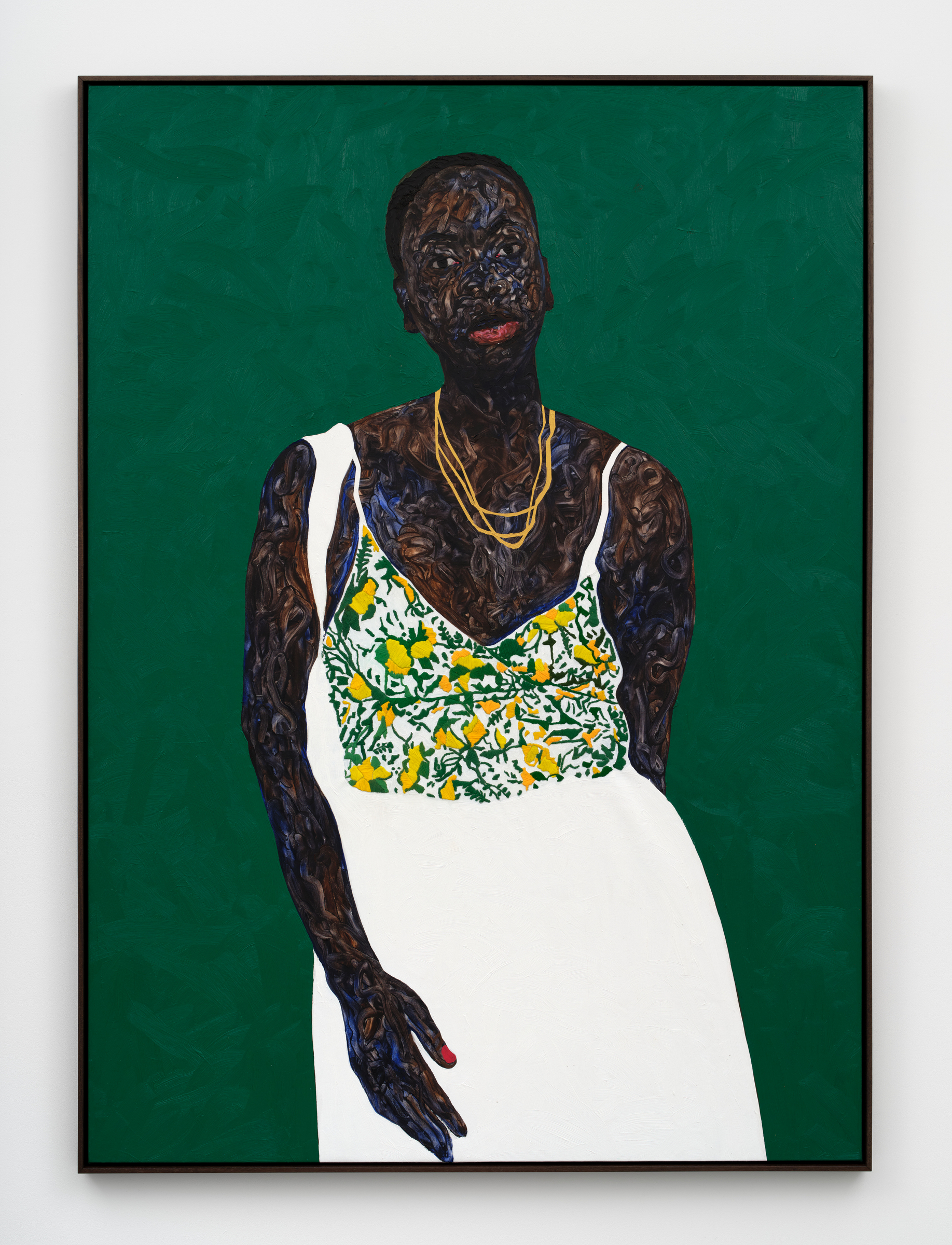
Boafo’s portraits feature Black subjects rendered in vibrant, non-naturalistic colors and patterns against stark or monochrome backgrounds. His signature technique involves finger-painting with oil paint to create expressive, sculpted skin textures that brushwork or photography cannot capture. His subjects look directly at the viewer with expressions that refuse interpretation: simply present, simply seen.
The Philosophy
“I’m painting Black people the way I see Black people,” Boafo explained in interviews regarding his work. “Not through the white gaze… Just existing in color, in pleasure, in ordinary life.” His work refuses the art historical tradition of Black subjects as objects—instead granting them subjectivity and dignity.
Why Now
Boafo’s rise coincides with institutional reckoning around representation. Museums and major collectors now actively seek his work. Boafo has maintained artistic independence, founding dot.ateliers—an artist residency and exhibition space in Accra—to support young African artists. He’s proving that commercial success and artistic integrity aren’t mutually exclusive.
The Next
Major international museum exhibitions, including his touring solo exhibition Soul of Black Folks, and continued expansion of his Accra residency program.

PAGE 3: RAVEN LEILANI — Writing the Uncomfortable
The Story
Raven Leilani (born 1990) published her debut novel Luster in August 2020 to immediate critical acclaim. The book—a sharp, funny, devastating examination of a young Black woman’s affair with a married white man in an open marriage—won the National Book Critics Circle’s John Leonard Prize, the Kirkus Prize, and the Dylan Thomas Prize. Leilani was 30. It was her first novel.
The Work
Luster refuses the redemption arc that literary fiction typically demands of Black women protagonists. Edie, the narrator, is not noble; she makes messy, impulsive decisions, and she is funny about them. The novel’s prose is precise, compressed, and visually striking—drawing on Leilani’s background as a visual artist. She writes about desire without romance, about race without pedagogy, and about precarious gig work without sentimentalizing labor.
The Philosophy
“I’m interested in the gap between what we want and what we’ll accept,” Leilani shared in interviews following her debut. Her fiction interrogates the performance of competence, the exhaustion of code-switching, and the particular loneliness of navigating white institutions as a young Black woman.
Why Now
Leilani represents a generation of writers refusing to make Black trauma legible or palatable purely for white readers. Her work demands attention on its own aesthetic terms. She’s part of a vibrant cohort of contemporary fiction writers expanding the boundaries of American literature.
The Next
Highly anticipated future literary projects, optioned adaptations for screen, and continued literary contributions exploring themes of art, race, and human vulnerability.
PAGE 4: BODE — Emily Adams Bode Aujla and the Archive of Memory
The Story
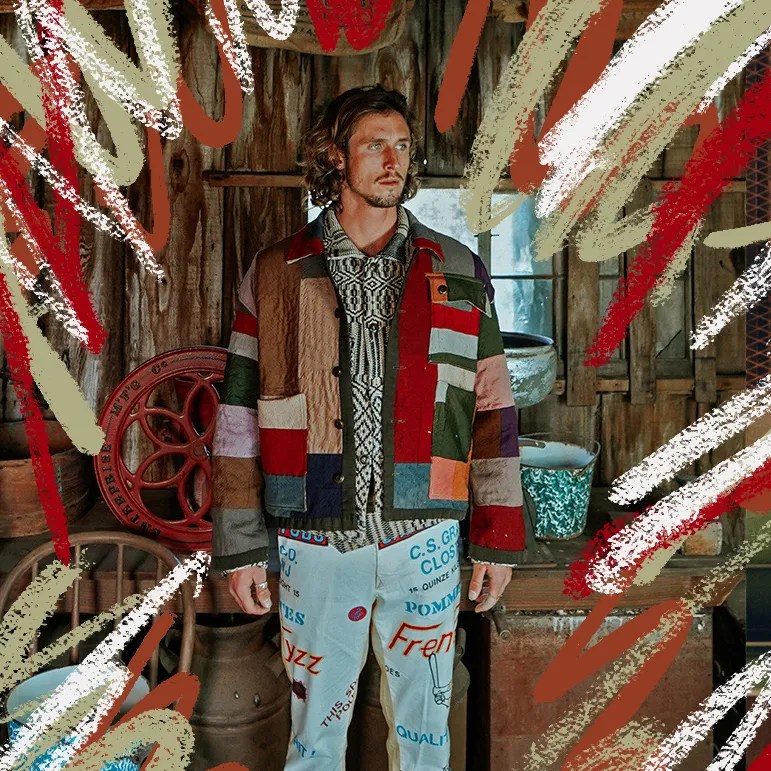
Emily Adams Bode Aujla (born 1989) launched her menswear label BODE in 2016 after graduating from Parsons School of Design and Eugene Lang College. In 2019, she became the first female designer to show at New York Fashion Week: Men’s. Her sensibility—quilted jackets, antique fabrics, narrative embroidery—elevates historical textiles into modern luxury.
The Work
BODE’s collections are researched with archival rigor. She sources vintage grainsacks, antique lace, mid-century tablecloths, and historic quilting patterns. Each garment carries a story of provenance—where the fabric originated and what history it holds. The clothes are functional art pieces whose primary value lies in memory and narrative.
The Philosophy
“Fashion is often disposable, but I’m trying to make things that accrue meaning rather than losing it,” Bode has noted regarding her process. Her work draws on the traditions of domestic craft—quilting, mending, storytelling through textiles—elevating historic handiwork to high fashion.
Why Now
As sustainability becomes fashion’s central conversation, BODE offers a model that predates industry trends. Her garments are made using antique, deadstock, and historic textiles, produced with localized craftsmanship. She proves that fashion can be sustainable, archival, and deeply emotional simultaneously.
The Next
Expansion into women’s wear, flagship store openings worldwide, and continued preservation of rare domestic textiles.
EDITORIAL CONCLUSION
These four visionaries share youth but not naivety. Recognizing that their respective industries—fashion, art, and literature—are at inflection points, they are driving change rather than accommodating stagnation. They prove that emerging talent is far from unformed. The most vital work often comes from those still establishing their names—hungry and willing to risk institutional disapproval. Watch them closely: they are not just rising; they are redefining what it means to ascend.
| « Previous Article | Next Article » |

