October 2026 / Culture
The Return of Bittersweet Cinema: Why Billy Wilder’s Cynicism Feels Like Home in 2026
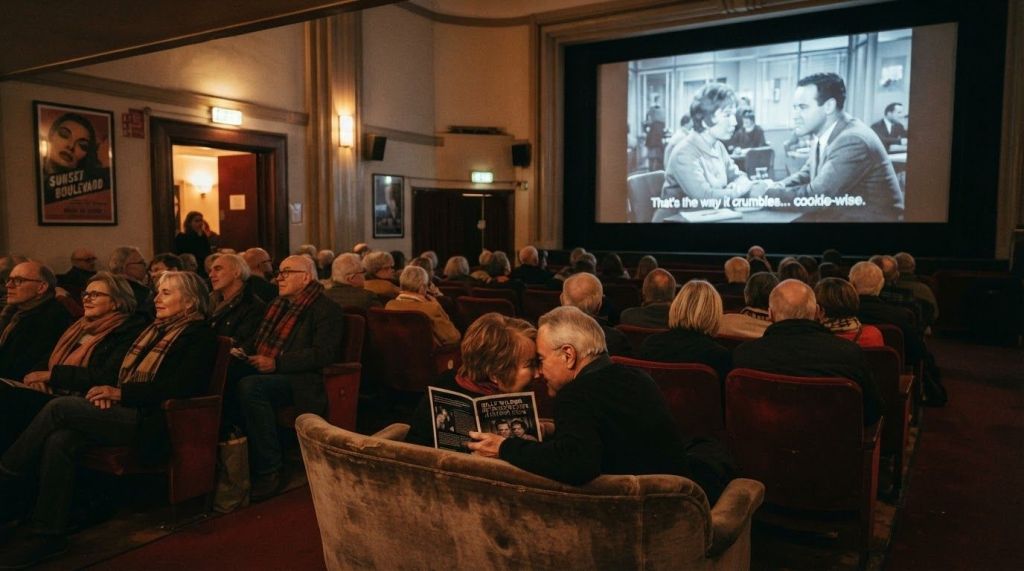
As autumn settles in, film societies and urban cinematheques are launching major retrospectives dedicated to one of classic cinema’s quintessential architects of sharp satire: Billy Wilder. From Sunset Boulevard to The Apartment, Wilder’s filmography is experiencing a massive revival among contemporary audiences, and the timing couldn’t be more telling.
Wilder, an immigrant who redefined mid-century narrative arts, operated on a distinct core frequency: clear-eyed cynicism laced with a desperate, underlying tenderness. In a modern media landscape often dominated by hyper-sanitized blockbuster franchises or ironized streaming content, Wilder’s work feels refreshingly human.
Consider The Apartment. It is an autumn story par excellence, a tragicomedy about corporate alienation, solitude in a crowded city, and the fragile hope of finding genuine connection amidst institutional apathy. Modern audiences, navigating our own hyper-digitized workplace dynamics, are finding an unlikely mirror in Wilder’s mid-century misfits.
THE TAKEAWAY FOR CULTURE WATCHERS
Nostalgia in late 2026 isn’t about pure escapism; it’s about context. We aren’t revisiting classic films to run away from the present, but rather to remind ourselves that the anxieties of modern isolation have always found their antidote in sharp writing, moral ambiguity, and unvarnished human warmth.
October 2026 / Culture
Digital Fatigue and the Rise of the “Third Space” Autumn
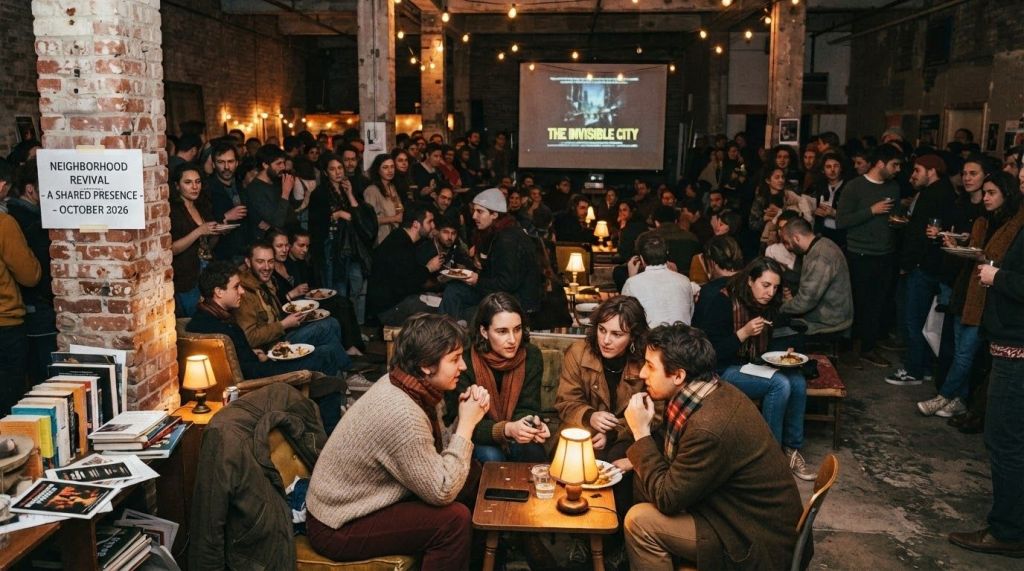
If you’ve noticed your social circles trading endless group chats for physical watch parties, neighborhood supper clubs, or obscure late-night revival screenings, you aren’t alone. October 2026 marks a decisive turning point in how we gather—or rather, a collective revolt against experiencing culture in isolation.
Over the past few years, the concept of the “third space”—places that are neither home nor work—felt under threat. Yet, this season has ushered in an unmistakable renaissance of tactile, communal gathering. We are seeing a boom in localized cultural anchor points: from transformed industrial spaces hosting community lectures to neighborhood venues broadcasting weekly serialized television episodes to roomfuls of strangers.
The culture industry is realizing that pure digital convenience has reached its saturation point. The prevailing aesthetic of this season isn’t sleek algorithmic curation; it’s presence. People want shared reactions, messy debates, and the simple, undeniable thrill of sharing a room with people who care about the exact same niche subject.
THE TAKEAWAY FOR CULTURE WATCHERS
The ultimate luxury item of this autumn isn’t a digital subscription—it’s shared physical space. Whether it’s an underground gallery opening or a packed independent lecture series, the most valuable cultural moments this month are the ones that require putting on a coat and stepping out the front door.
October 2026 / Culture
The Architectural Revival of “Cozy Brutalism”
Andi Damman/Stíl Solas: All Rights Reserved
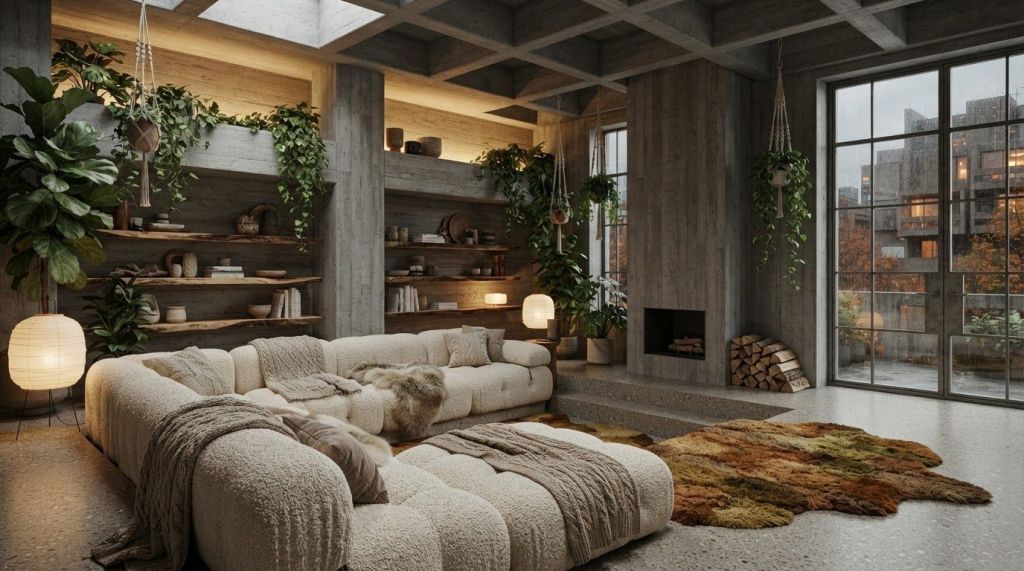
Architecture and interior layout trends often reflect the psychological needs of the era, and this autumn, design culture is embracing a fascinating paradox: Cozy Brutalism.
For decades, Brutalism—with its raw concrete surfaces, massive geometric forms, and unyielding structural honesty—was dismissed as cold or institutional. However, contemporary designers this season are softening those monumental frame structures with rich tactile elements: heavy wool textiles, ambient warm lighting, raw timber accents, and sprawling indoor greenery.
This hybrid aesthetic speaks directly to a modern desire for permanence and grounding. In a world defined by ephemeral digital screens and rapid technological shifts, the solid weight of concrete offers a feeling of sanctuary, while the warm interior layering makes it livable. From redesigned public libraries to boutique hospitality spaces, this blend of structural weight and interior comfort is reshaping urban aesthetic sensibilities.
THE TAKEAWAY FOR CULTURE WATCHERS
Modern design is stepping away from the sterile, ultra-white minimalism of the 2010s. Today’s cultural appetite leans toward textures that feel substantial, enduring, and deeply tactile—buildings that feel like fortresses wrapped in wool.

