Iconic Figures & Cultural Pioneers
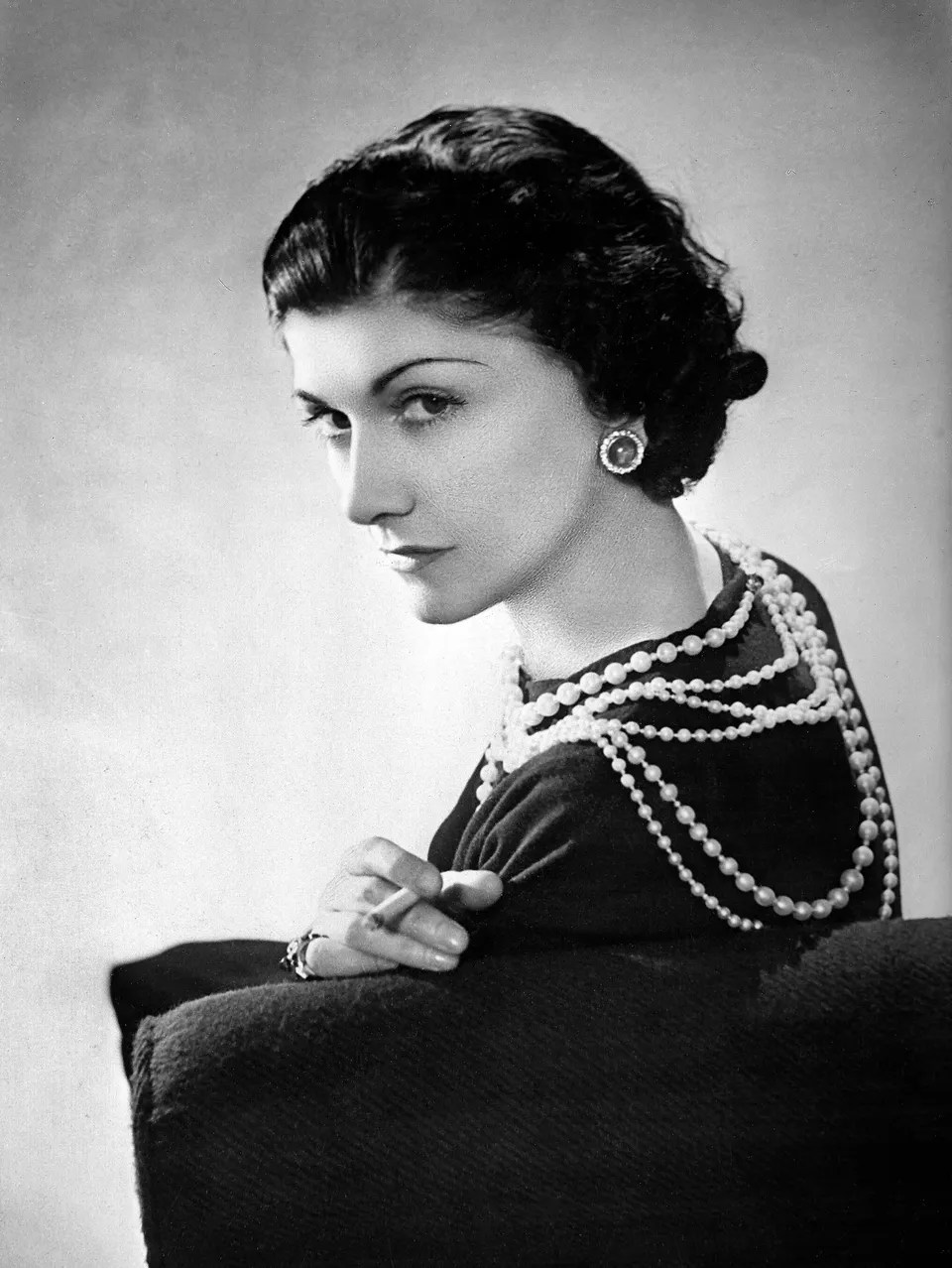
Page 1: COCO CHANEL — Liberation Through Simplicity
The Context
Gabrielle “Coco” Chanel (1883–1971) emerged in an era when women were physically constrained by fashion. The Belle Époque ideal required corsets that restricted breathing, elaborate hats that demanded balancing, and skirts that trailed dangerously near open flames. Chanel didn’t merely design clothes; she engineered freedom.
The Innovation
In 1910, she opened her first millinery shop at 21 rue Cambon in Paris. By 1916, she had introduced jersey fabric—previously reserved for men’s undergarments—into women’s fashion. During World War I, when women entered factories and needed mobility, Chanel’s relaxed suits answered a cultural shift before society fully recognized it.
The Revolution
The 1921 launch of Chanel No. 5 marked another first: a fragrance that smelled intentionally abstract. While other perfumes attempted to replicate single flowers, Chanel No. 5 combined aldehydes with jasmine, rose, and sandalwood to create something that didn’t exist in nature. It remains the best-selling fragrance in history, with a bottle sold every 30 seconds.
The Legacy
Chanel’s interlocking-C logo, introduced in the 1920s, created the template for designer branding. Her little black dress—Vogue compared it to the Ford Model T in 1926—democratized elegance. But her greatest contribution was philosophical: the conviction that luxury should feel effortless, that women should dress for themselves rather than male gaze, and that comfort and beauty need not be opposites.
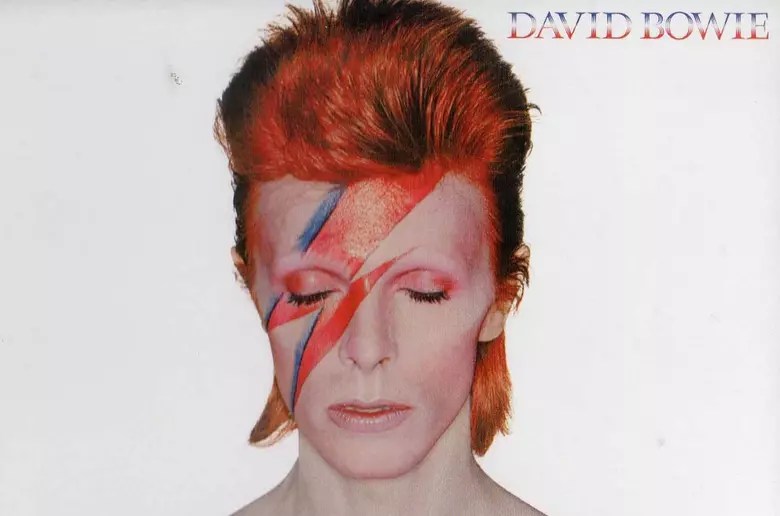
Page 2: DAVID BOWIE — The Self as Art Project
The Context
David Robert Jones (1947–2016) emerged from London’s post-war ruins into a culture rigidly defined by class and conformity. The 1960s offered liberation, but Bowie recognized that liberation required constant reinvention—that identity itself could be performance.
The Innovation
Ziggy Stardust (1972) didn’t merely introduce an alter ego; it introduced the concept that an artist could be a curator of personas. Bowie’s androgynous appearance—costumes by Japanese designer Kansai Yamamoto, makeup by Pierre LaRoche—challenged gender binaries before the language existed to describe them. He wasn’t reflecting culture; he was predicting it.
The Revolution
Bowie’s 1975 “Young Americans” album pioneered “plastic soul”—a white British artist engaging seriously with Black American musical traditions. Later, his 1977 “Berlin Trilogy” (Low, Heroes, Lodger) with Brian Eno introduced ambient and electronic elements to rock. His 1983 “Let’s Dance” video featured a Black dancer (Toni Basil’s choreography assistant) as romantic interest—radical for MTV’s early years.
The Legacy
Bowie’s influence operates across fashion, music, gender theory, and visual art. Designers from Alexander McQueen to Raf Simons cite him. His death in 2016 prompted unprecedented global mourning not for a politician or royal, but for an artist who taught generations that authenticity requires performance, that the self is fluid, that strangeness is strength.
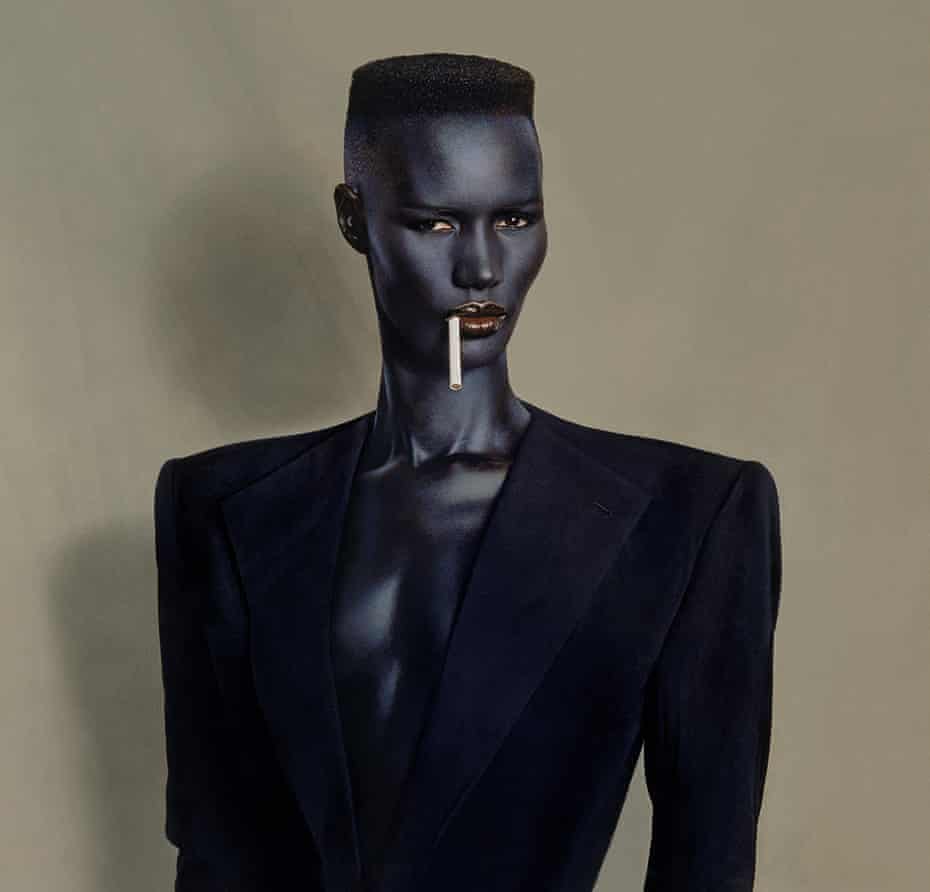
Page 3: GRACE JONES — The Architecture of Persona
The Context
Grace Beverly Jones (born 1948) arrived in New York from Jamaica at 13, escaping strict religious upbringing. By the 1970s, she had transformed from model to disco diva to new wave icon to Bond villain to living art object. Her career defies linear narrative because she refused singular categorization.
The Innovation
Jones’s 1981 album Nightclubbing—produced by Island Records founder Chris Blackwell and featuring Sly & Robbie’s reggae rhythms—created the template for new wave’s intersection with Caribbean sounds. But her visual presentation, crafted with French photographer Jean-Paul Goude, was equally revolutionary. Goude’s images of Jones—angular, androgynous, superhuman—referenced African art, Art Deco, and fetish culture simultaneously.
The Revolution
Jones’s 1985 performance at New York’s Paradise Garage—a legendary queer club—lasted eight hours. She didn’t merely perform; she endured, outlasting the audience. Her film roles (1985’s A View to a Kill, 1986’s Vamp) cast her as villain precisely because her presence threatened conventional femininity. She was too tall, too muscular, too loud, too Black, too strange for Hollywood’s categories.
The Legacy
Contemporary artists from Rihanna to FKA Twigs to Janelle Monáe operate in Jones’s wake. Her influence appears in fashion’s embrace of androgyny, in music’s genre-fluidity, in the very concept that a Black woman could be avant-garde rather than accessible. She proved that persona could be architecture—built, inhabited, modified, abandoned.

Page 4: ALEXANDER McQUEEN — Beauty and Terror
The Context
Lee Alexander McQueen (1969–2010) grew up in working-class East London, son of a taxi driver. His Savile Row apprenticeship (Anderson & Sheppard, Gieves & Hawkes) taught him construction; his Central Saint Martins MA (1992) revealed his vision. His graduation collection, bought entirely by Isabella Blow, announced a talent that would redefine fashion’s relationship to darkness.
The Innovation
McQueen’s 1995 “Highland Rape” collection generated controversy for its apparent violence against women; McQueen clarified it addressed England’s historical violence against Scotland. This tension—between aesthetic beauty and political provocation—defined his work. His 1998 “Joan” collection featured a model surrounded by a ring of fire. His 2001 “Voss” collection ended with a glass box containing a naked woman breathing through a tube, surrounded by moths.
The Revolution
As Givenchy’s head designer (1996–2001), McQueen brought street credibility to haute couture. His own label’s 2009 “Horn of Plenty” collection—featuring trash-inspired prints and models wearing trash-bag headpieces—critiqued fashion’s excess while participating in it. His final collection, completed before his 2010 death, featured digitally printed images of Old Master paintings on dresses—fashion as museum, as preservation, as elegy.
The Legacy
McQueen’s successor Sarah Burton maintains the house’s codes—romanticism, technical virtuosity, dark beauty—while softening its aggression. But his influence extends wider: fashion as narrative, as theater, as emotional confrontation. He proved that clothes could carry weight, that beauty could wound, that fashion could be art without apology.
EDITORIAL CONCLUSION
These four figures share no single aesthetic, no common medium, no unified philosophy. What connects them is courage—the willingness to be misunderstood, to create without precedent, to trust that culture would eventually catch up to their vision. They didn’t respond to market demands; they created new markets. They didn’t reflect their times; they anticipated futures. In an era of algorithmic predictability, their example becomes more vital: the trailblazer doesn’t follow paths but makes them, accepting that the first footsteps are always lonely, always uncertain, always necessary.
| « Previous Article | Next Article » |