Weekend Escape Guide
The Philosophy of Slow Travel—Why Less Distance Means More
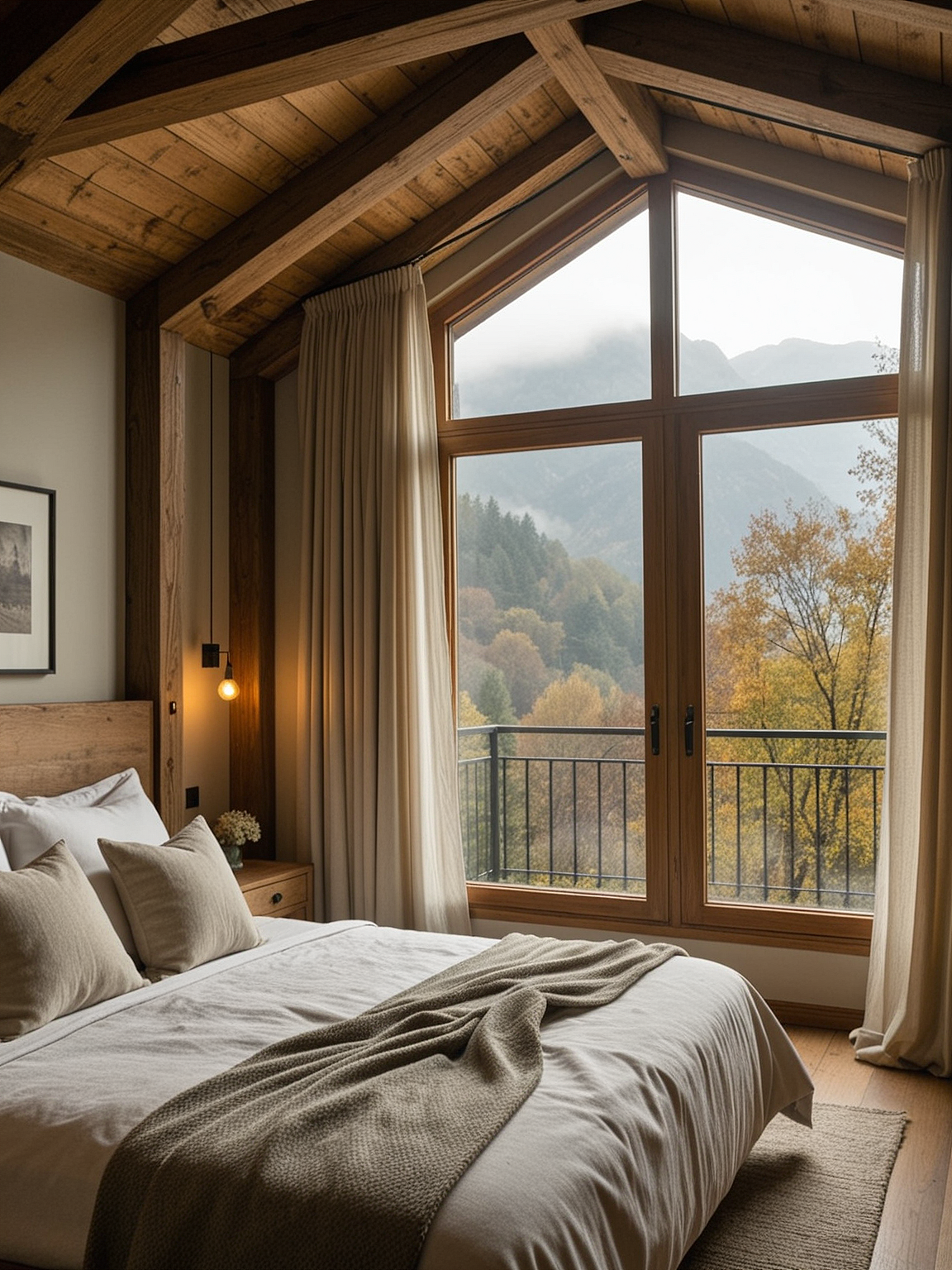
The weekend escape isn’t about checking destinations off a list. It’s about shifting states—trading the velocity of daily life for a pace that allows noticing. Slow travel, a movement that gained traction in the early 2000s as a response to mass tourism, prioritizes depth over breadth. The goal isn’t to see everything; it’s to actually see something.
The Research
A 2016 study published in the International Journal of Tourism Research found that travelers who spent longer periods in fewer locations reported higher satisfaction and lower stress than those who maximized destinations. The implication: psychological restoration requires immersion, not just exposure.
The 100-Mile Rule
For genuine weekend restoration, consider destinations within 100 miles of home. This distance—drivable in two hours or less—eliminates airport stress and jet lag while still providing environmental change. The proximity also supports local economies and reduces carbon impact; transportation accounts for approximately 75% of tourism’s CO2 emissions according to the World Tourism Organization.
The Advancement of “Staycations”
The term, coined in 2005 and added to the Merriam-Webster Dictionary in 2009, has evolved from economic necessity to intentional choice. A proper staycation involves treating your immediate environment with the curiosity of a visitor—booking a table at that restaurant you always mean to try, visiting the museum you pass daily, walking your own neighborhood without destination.
The Digital Detox Component
True escape requires boundary. Consider implementing “airplane mode weekends”—no work email, no social media, no news alerts. The goal isn’t isolation; it’s presence. The most restorative weekends happen when technology serves the experience (navigation, photography, music) rather than interrupting it.
The Packing Philosophy—Traveling Light, Living Well
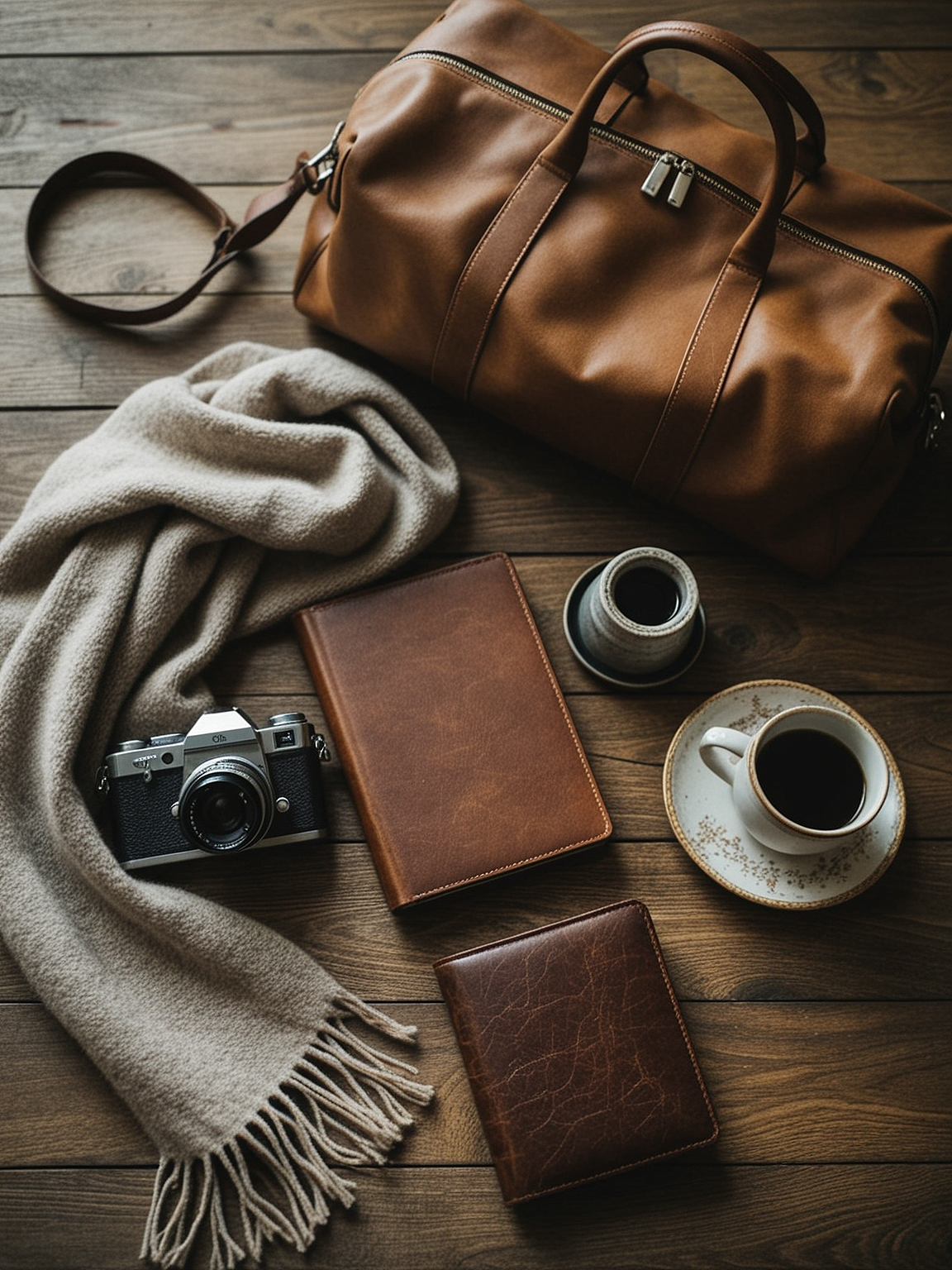
What you pack determines how you move. Heavy luggage creates physical and psychological burden; light packing creates freedom. The weekend escape demands only essentials—quality over quantity, versatility over specialization.
The Capsule Wardrobe Method
- • Three tops: One casual, one dressy, one that works as either
- • Two bottoms: One structured, one relaxed
- • One dress or jumpsuit: The complete outfit
- • One layer: A blazer or cardigan that elevates everything
- • One pair of shoes: Comfortable enough for walking, polished enough for dinner
This formula, popularized by fashion blogger Caroline Rector of Un-Fancy, creates 72+ outfit combinations from minimal pieces. For autumn weekends, add a cashmere sweater and a weather-appropriate coat.
The Digital Minimalist Approach
- • One device: Phone functions as camera, book, music, navigation
- • One charger: Universal USB-C
- • One pair of headphones: Noise-canceling for the journey
The Analog Resurgence
Consider adding non-digital elements: a physical book, a paper journal, a film camera. These objects slow the pace, requiring intentionality that digital convenience eliminates. The act of writing by hand activates different neural pathways than typing; research published in Psychological Science (2014) found that students who took notes by hand demonstrated deeper conceptual understanding than those who typed.
The Souvenir Rule
Leave room. The best weekend escapes yield objects found, not purchased—a leaf pressed in a book, a stone from a beach, a handwritten menu. These weightless mementos carry more meaning than airport gift shop tchotchkes.
The Destination Types—Matching Location to Intention
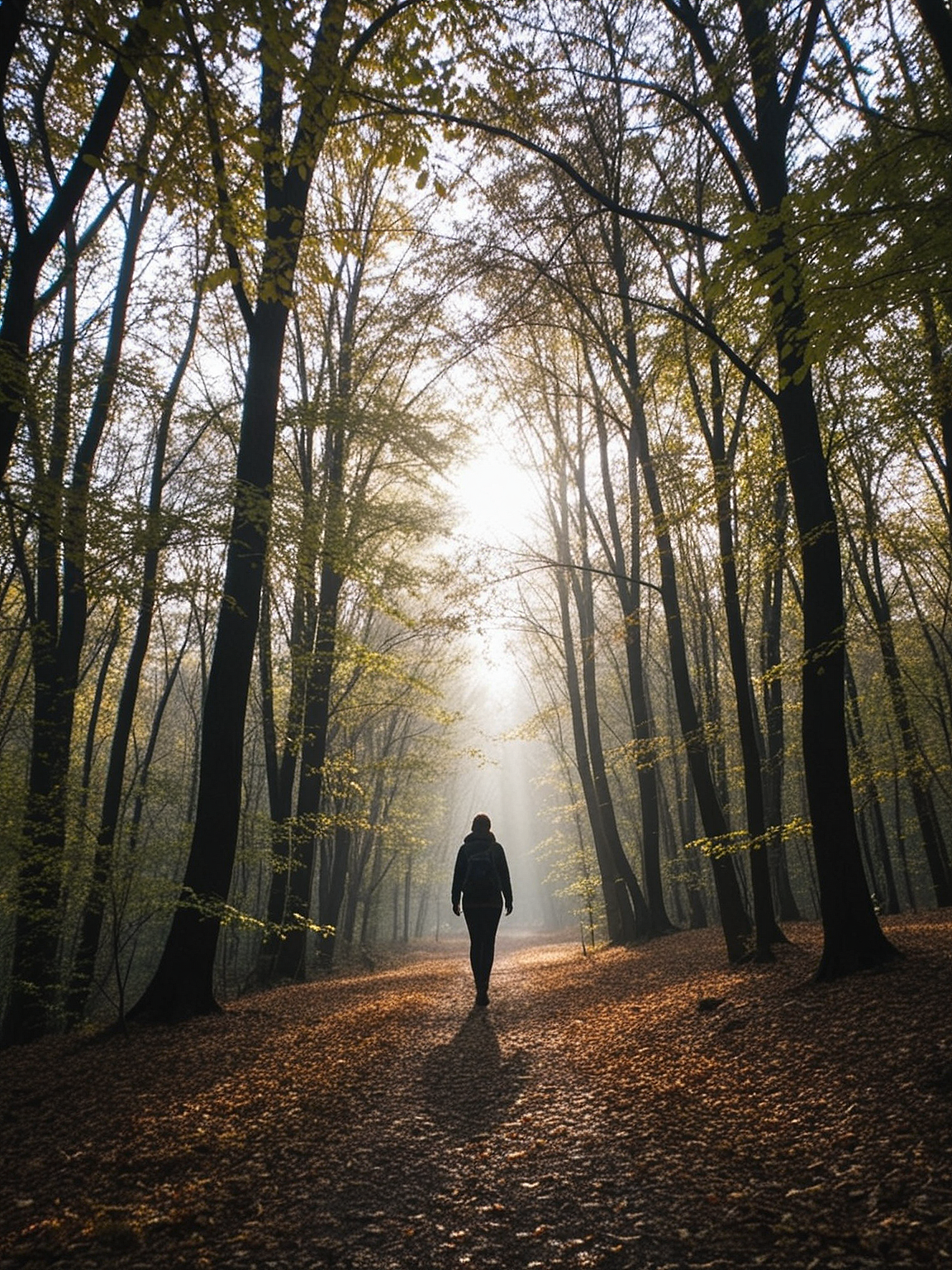
Different escapes serve different needs. Match your destination to your intention.
- 🌲 The Rural Retreat: Small towns, farmland, forest cabins. These locations offer what environmental psychologists call “soft fascination”—natural scenery that engages attention without demanding it. The research of Rachel and Stephen Kaplan at the University of Michigan established that exposure to natural environments restores directed attention, the cognitive resource depleted by urban life and digital demands. Look for accommodations with kitchens (cooking as meditation), fireplaces (fire-gazing lowers blood pressure), and limited cell service (enforced disconnection).
- 🌊 The Coastal Escape: Water environments offer unique psychological benefits. Marine biologist Wallace J. Nichols’s research on “blue mind”—the mildly meditative state induced by proximity to water—demonstrates that ocean views trigger parasympathetic nervous system activation, reducing stress and increasing mindfulness. Autumn coastal travel offers additional benefits: off-season rates, empty beaches, storm-watching drama.
- 🏛️ The Cultural Immersion: Small cities with distinct character—places where local history, food traditions, and craft heritage remain vital. These destinations reward curiosity: independent bookstores, family-owned restaurants, artisan workshops. The goal isn’t consumption but conversation—with locals, with place, with self.
- ♨️ The Thermal Experience: Hot springs, mineral baths, Nordic spas. The tradition of thermal bathing spans cultures and centuries, from Roman bathhouses to Japanese onsen to Scandinavian sauna culture. The physiological benefits—improved circulation, muscle relaxation, stress reduction—are well-documented. The ritual aspect—repeated hot-cold cycles, communal silence, post-bath rest—creates structure for the unstructured day.
The Art of Returning—Extending the Escape
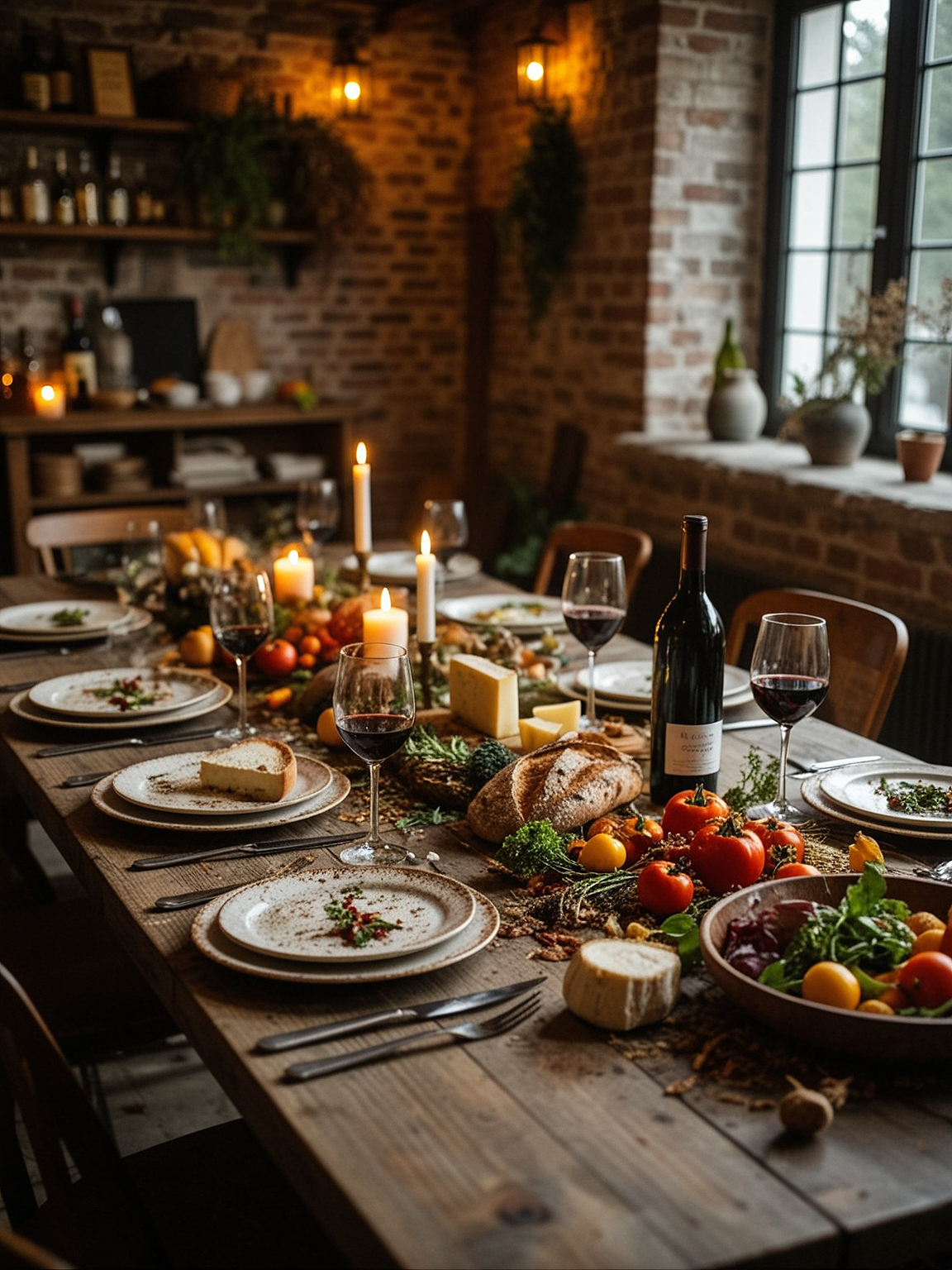
The best weekend escapes don’t end when you unlock your front door. They inform how you return to daily life.
The Sunday Evening Ritual
Rather than crashing from travel high to Monday dread, create transitional space. Unpack immediately—luggage left in hallways creates psychological clutter. Prepare a simple meal using ingredients brought home (local honey, farm eggs, artisan bread). Review photographs, not to post but to remember. Write three gratitudes specific to the weekend. These practices, rooted in positive psychology research, extend the benefits of the experience.
The Integration Question
What did this escape reveal about what you actually need? Perhaps it’s more silence, more nature, more unscheduled time, more quality conversation. The weekend is diagnostic—pay attention to what felt restorative and find ways to incorporate those elements into daily life.
The Next Trip Planning
While the experience is fresh, book the next one. Anticipation provides psychological benefits nearly equal to the experience itself; research by Dutch psychologists in Applied Research in Quality of Life (2010) found that vacation anticipation boosted happiness for eight weeks prior to departure. The lesson: always have a trip on the horizon.
The Local Application
Bring the escape home. That slow breakfast enjoyed at the B&B? Recreate it Sunday mornings. The afternoon walk through autumn woods? Find a local trail. The reading by firelight? Create the conditions in your own living room. The goal isn’t perpetual escape—it’s building a life that doesn’t require constant fleeing.
Editorial Conclusion

The weekend escape isn’t luxury—it’s maintenance. In a culture obsessed with productivity, permission to rest, to wander, to simply be becomes radical. These 48 hours aren’t an indulgence; they’re an investment in the energy, creativity, and perspective required for the other five days. Pack light. Move slow. Stay present. The best destination is the one that reminds you who you are when you’re not performing.
| ← Previous Article | Next Article → |

