Stíl Solas
Finding Your Skin Type
Understanding what your skin needs is the first step toward building a better skincare routine. Master your skin type with our simple 30-minute guide.
Before you choose a cleanser, moisturizer, serum, or foundation, it helps to know your skin type. Your skin’s natural oil production plays a major role in how products feel, how makeup wears, and what your skin needs throughout the day.
The good news? You don’t need an expensive skin analysis to figure it out. You can do a simple test at home in about 30 minutes.
The 30-Minute Skin Type Test
Step 1: Start with a clean face
Wash your face with a gentle cleanser and rinse thoroughly. Avoid applying anything afterward, including moisturizer, serum, facial oil, sunscreen, or makeup.
Step 2: Wait
Leave your skin completely bare for about 30 minutes. Try not to touch your face during this time.
Step 3: Look and feel
After 30 minutes, examine your skin in natural light. Pay close attention to your T-Zone (the area across your forehead and down the bridge and tip of your nose).
Ask yourself:
- Does my entire face feel tight or uncomfortable?
- Does my skin look shiny?
- Is the shine mostly around my forehead, nose, and chin?
- Do my cheeks feel dry while my T-zone looks oily?
- Does my skin feel comfortable and balanced?
1. Oily Skin
Oily skin produces more sebum, which is the natural oil produced by your skin. You may notice that your forehead, nose, cheeks, and chin become shiny relatively quickly after cleansing.
Signs of Oily Skin
- Your face becomes shiny within a few hours.
- Your forehead and nose are particularly oily.
- Your skin tends to look glossy rather than matte.
- Makeup can become shiny or wear away more quickly.
- Your pores may appear more noticeable.
💡 Stíl Solas Tip: Don’t confuse oily skin with hydrated skin. Oil and water are two different things. Oily skin can still become dehydrated.
2. Dry Skin
If your skin frequently feels tight, rough, or uncomfortable after cleansing, you may have dry skin. Dry skin generally benefits from products designed to support moisture and the skin barrier.
- Your face feels tight after washing.
- Your skin rarely becomes shiny.
- You experience flaky or rough patches.
- Makeup can cling to dry areas.
💡 Stíl Solas Tip: If your skin feels squeaky-clean immediately after washing, that’s not necessarily a good thing. Skin should feel clean, not stripped.
3. Combination Skin
Combination skin is exactly what it sounds like: your face has different characteristics in different areas. The most common pattern is an oily T-zone combined with normal or drier cheeks.
💡 Stíl Solas Tip: You don’t have to use the same amount of every product everywhere. Skincare can be customized by area.
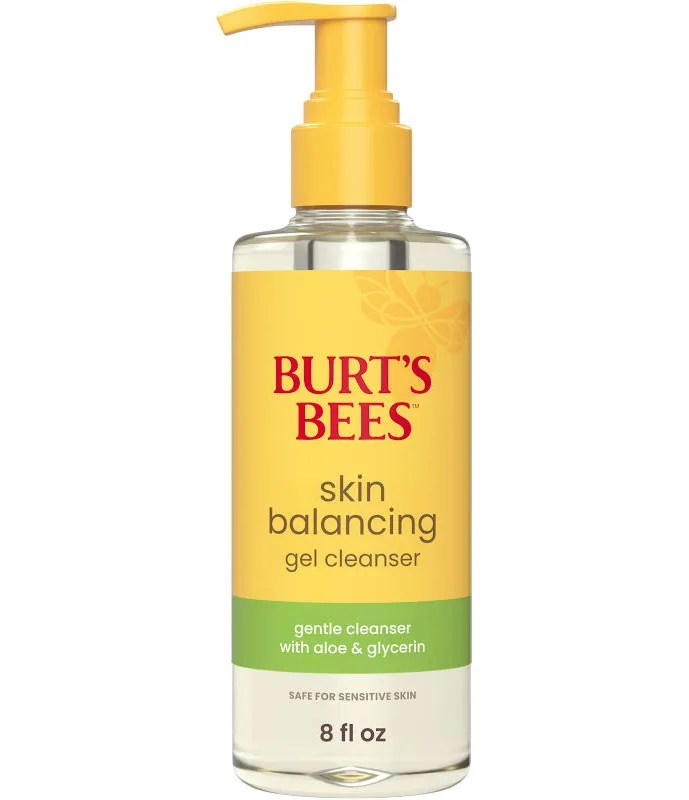
Picture Source: Wal-Mart.com
Uses gentle PHA and BHA acids in a hydrating liquid base to dissolve dead skin and clear pores without any harsh, abrasive scrubbing.
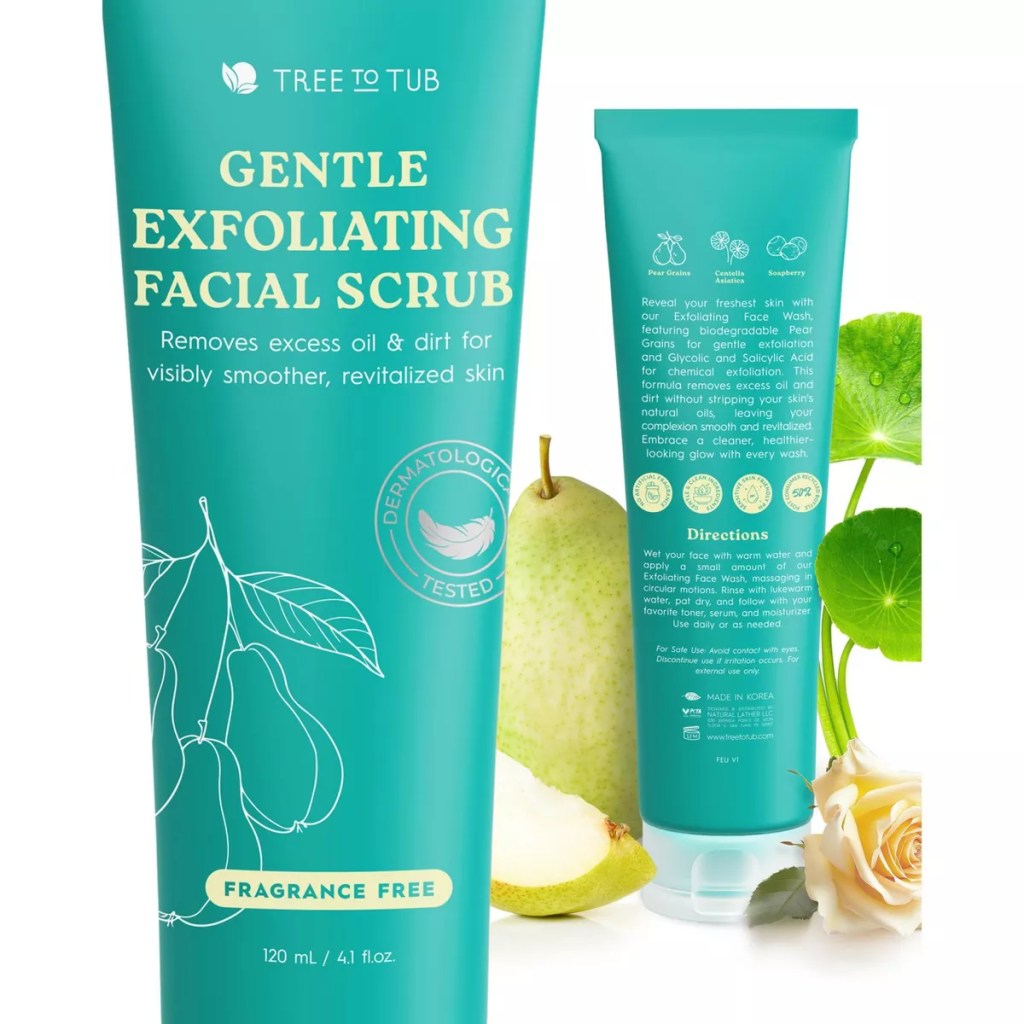
Picture Source: Target.com
Combines micro-fine jojoba beads with soothing botanical ingredients to gently polish texture without scratching sensitive skin layers.
When to See a Professional
If you’ve taken the skin test, tried a few routines, and are still struggling to find what works, it might be time to bring in an expert:
Option 1: The Dermatologist
Best for medical concerns, severe breakouts, skin diseases, eczema, persistent rashes, and prescription-strength care.
Option 2: The Esthetician
Best for daily maintenance, cosmetic glow, analyzing skin texture, and custom over-the-counter routines. Budget tip: Look into local beauty schools where student estheticians offer services at a fraction of the cost under licensed supervision!
© Stíl Solas Magazine. Cleanse. Wait. Observe.

